Unlock Your Next Peak: Why the Right Mountaineering Shoes Make All the Difference
Here is the SEO-optimized article focusing on the keyword "Mountaineering Shoes":
Reaching a mountain summit is a test of spirit, endurance, and preparation. While fitness and skill are paramount, overlooking your foundation – your feet – can turn an epic climb into a painful ordeal. Having navigated scree slopes, slick rock faces, and icy traverses myself, I learned firsthand that the right mountaineering shoes aren't just gear; they're your essential partners for safety and success.
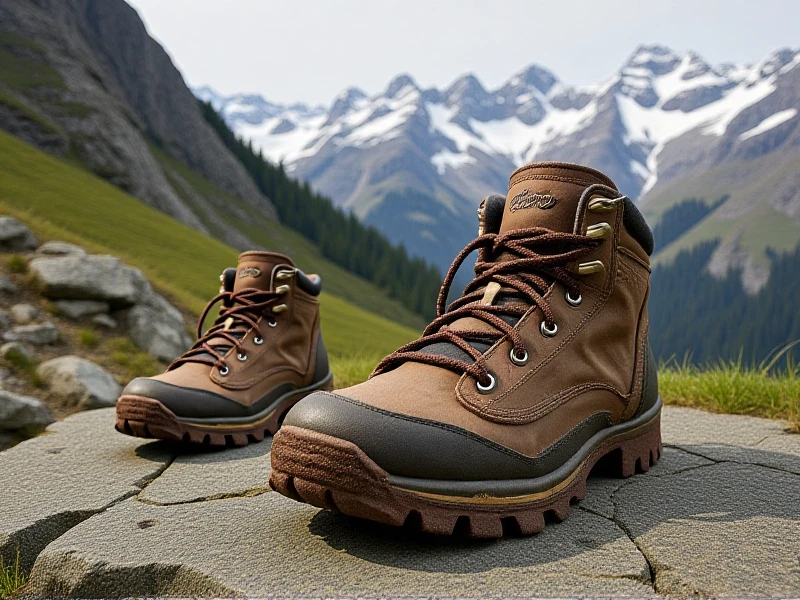
Standard hiking boots often fall short on serious alpine terrain. True mountaineering shoes are engineered for distinct challenges. Their defining characteristic is stiffness. A rigid sole – often embedding a Shank or full-length Plate – provides crucial support for edging on narrow rock ledges and prevents foot fatigue when kicking steps into snow or scrambling over uneven rock. This stable platform allows precise foot placement where a slip could be dangerous.
Aggressive traction is non-negotiable. Specially formulated rubber compounds, like Vibram® Megagrip, adhere tenaciously to both wet rock and icy surfaces. Deep, multidirectional lugs bite into loose scree or mud, while precise edging zones around the perimeter offer grip on the thinnest of rock features. Ankle support varies based on objective. While lightweight scramblers might prefer flexibility, full cuff mountaineering shoes offer critical stability and protection on mixed terrain or when carrying a heavier pack, preventing ankle rolls on uneven ground.
Weather protection hinges on your adventure. Lightweight, breathable synthetic materials shine on technical rock routes or warm-weather climbs where sweat management is key. For wet approaches, slushy snow, or high alpine environments, waterproof yet breathable membranes (like Gore-Tex®) keep feet dry, vastly improving comfort and preventing blisters over long days. Remember, damp feet lead to cold feet – a primary risk factor for frostbite.
Fit reigns supreme. Mountaineering shoes should feel snug without pressure points, especially when wearing your intended climbing socks (merino wool is excellent for warmth and moisture wicking). Your heel must stay locked firmly in place to prevent slippage and blistering during steep ascents or descents. Toes need adequate room to splay slightly during downhill sections but should not jam forward inside the boot when kicking steps. Trying them on in the afternoon, when feet are slightly swollen, ensures the best fit.
Investing in quality mountaineering shoes from reputable brands dedicated to the craft (like La Sportiva, Scarpa, Salomon, or Mammut) elevates your experience from surviving the mountain to confidently conquering it. Prioritize the specific features for your planned routes – technical rock scrambling demands different footwear than glacier travel. Choose wisely, break them in thoroughly on smaller objectives, and let your feet confidently carry you towards that breathtaking summit view. Comfort and security start from the ground up.