Top 5 Features to Look for in Your Next Hiking Shoes for Comfort & Performance
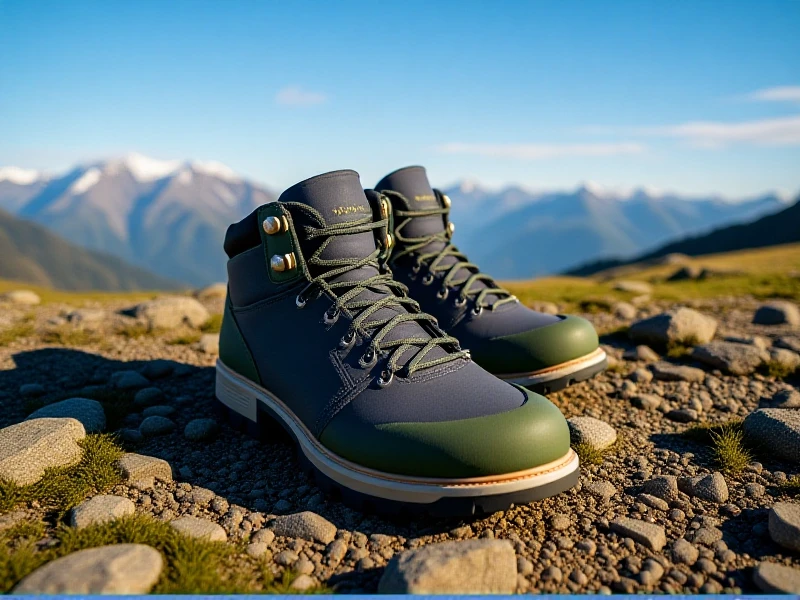
Here is a SEO-optimized article on Hiking Shoes within the specified requirements:
Choosing the right hiking shoes is crucial for enjoying adventures on the trail. The best pair enhances stability, prevents injuries, and makes every hike more enjoyable. Whether you're tackling rocky paths or a scenic forest trail, prioritizing key technical features will transform your experience. Here are the top 5 elements to focus on when selecting your next pair of hiking footwear:
-
Strong Ankle Support & Stability: For uneven terrain or carrying a backpack, shoes with solid ankle support are non-negotiable. Mid-cut or full-cut hiking boots provide essential stability, protecting your ankles from twists on tricky slopes. Your boots should actively support every step, especially over long distances. Look for sturdy heel counters and well-structured collars.
-
Superior Cushioning & Underfoot Protection: Trails demand exceptional impact absorption. High-quality hiking shoes feature advanced cushioning systems, often using EVA foam or proprietary technologies, strategically placed in the heel and forefoot. This minimizes fatigue, protecting feet and joints from the repeated shock of roots, rocks, and uneven ground.
-
Aggressive Outsole Traction: Confidence on slippery or loose surfaces starts beneath your feet. High-performing hiking shoes have tough rubber outsoles (like Vibram® Megagrip or similar) with deep, multidirectional lugs. This "lug pattern" grips relentlessly across mud, wet rock, dirt, and gravel, providing essential slip resistance. Ensure the sole material is durable enough for rough use.
-
Solid Water Resistance & Protection: Facing wet grass, puddles, or rain? Waterproof hiking shoes are vital. Look for membranes like GORE-TEX® or eVent® that block external moisture while letting internal sweat vapor escape. Paired with water-repellent uppers, they keep feet dry and comfortable across creek crossings and humid environments. Combine this with a reinforced toe cap for stubbed toe protection.
-
Excellent Breathability & Ventilation: Even in cool weather, feet generate significant heat during exertion. Adequate ventilation is critical to prevent overheating, blisters, and discomfort. Quality manufacturers use mesh panels and liners promoting airflow. For warmer hikes and drier conditions, prioritize highly breathable non-waterproof hiking shoes over waterproof boots.
Smart Selection Ensures Hiking Success
Don't underestimate the transformative impact of the perfect hiking footwear. Prioritizing ankle support, cushioning, traction, water resistance (when needed), and breathability equips you to handle diverse trails with confidence. Your feet are your connection to the landscape—ensure they're securely and comfortably supported.
Before you hit the trail, test your hiking shoes on varied surfaces. Your outdoor enjoyment and safety rely heavily on this fundamental piece of gear. Invest wisely, lace up securely, and conquer the trails ahead. Upgrade your hiking shoes and feel the difference instantly.