Find Your Perfect Match: How to Pick Hiking Shoes That Won't Quit
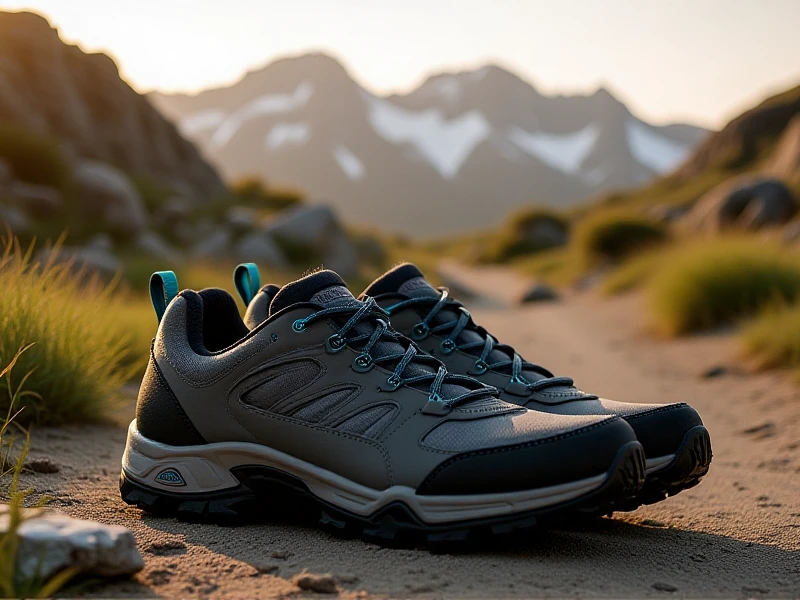
Your next adventure deserves dependable footing. Forget blisters and sore feet – choosing the right hiking shoes is the first crucial step towards unforgettable trails. Unlike sneakers, dedicated hiking shoes offer the engineered support and rugged construction essential for unpredictable terrain. Let's explore why quality hiking footwear matters and how to find your ideal pair.
First and foremost, safety. Good hiking shoes dramatically improve stability and traction. Slips on wet rocks or loose scree are common hazards. Shoes equipped with aggressive, multi-directional lugs provide a secure grip, significantly reducing fall risk, especially carrying a backpack. Superior stability also prevents ankle rolls – no one wants an injury miles from the trailhead.
Comfort is non-negotiable. Trekking involves extended effort, so your footwear must absorb shock and provide arch support to minimize fatigue. Hiking shoes feature stiffened midsoles to support your foot over rocks and roots, unlike flimsy sneakers that allow excessive flexing. This support combats plantar fasciitis and keeps your feet fresher longer. Modern hiking shoes also offer impressive breathability while managing moisture. Mesh panels allow air circulation, while effective linings help wick sweat, keeping feet drier and reducing friction that leads to blisters.
Durability tackles rugged terrain. Trail runners wear out quickly on sharp rocks and abrasive surfaces. Hiking shoes, however, incorporate reinforced toes, burly upper materials, and abrasion-resistant rubber to withstand constant bushwhacking and rocky paths. They are built for repeated use over miles of challenging ground.
Protection from the elements is vital. Waterproof membranes like Gore-Tex keep feet dry in wet grass, stream crossings, and light rain. Additionally, solid toe caps shield your feet from stubs against rocks or roots, while thicker soles provide crucial insulation from rough, cold ground.
When choosing hiking shoes, consider your terrain: lightweight, flexible options suit groomed paths, while more supportive and durable shoes excel on rocky, uneven trails. Pay close attention to fit – your heel should be locked down securely with ample (not pinching!) wiggle room for your toes, especially downhill. Don't forget sturdy hiking socks! Brand loyalty matters less than finding the brand whose last shape truly matches your foot anatomy (try Merrell, Salomon, Keen, or La Sportiva). Breaking them in gently before tackling major hikes is essential to avoid painful blisters.
Investing in a pair of purpose-built hiking shoes transforms your time outdoors. Prioritize traction, support, protection, and a superior fit, and suddenly, those "miles to go before I sleep" become an empowering journey, not an ordeal. Treat your feet to the support they deserve and conquer the trail with confidence. Your next summit awaits.