Your Mountain Conquest Awaits: Choosing the Best Mountaineering Shoes
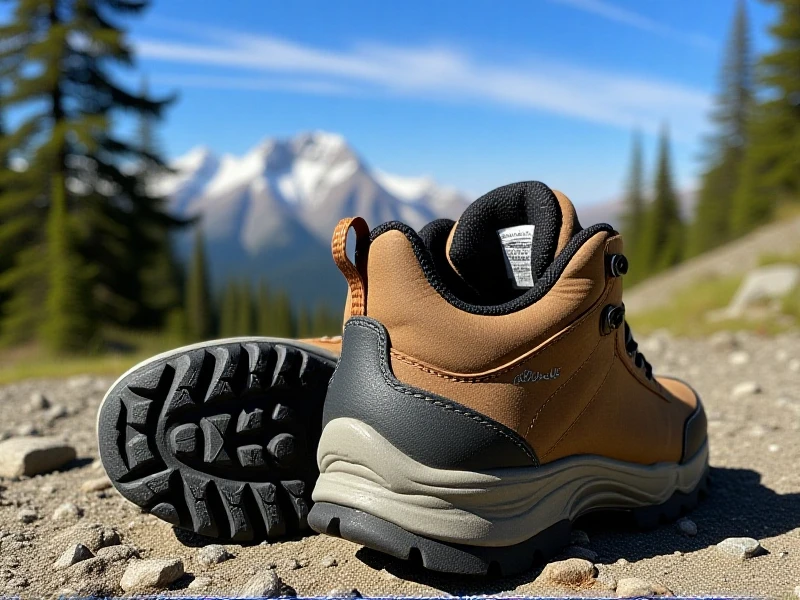
Reaching a summit means challenging rugged terrains, slippery scree, and unpredictable conditions. Ordinary hiking boots simply won't cut it; you need dedicated mountaineering shoes. These specialized tools are engineered to provide the grip, stability, ankle support, and protection crucial for safely navigating steep, technical ascents. Forget soggy feet and rolled ankles – the right mountain shoes are your foundation for success.
But not all mountaineering shoes are identical. Your choice depends heavily on the specific adventures you envision:
- Technical Rock Climbing & Scrambling: For difficult ascents demanding maximum sensitivity and precision edging on rock, stiff-soled, lightweight alpine climbing shoes are essential. They offer exceptional grip and a close-to-the-rock feel, though less insulation and waterproofing.
- Mixed Terrain & Glacier Travel: For typical mountaineering involving snowfields, glaciers, rocky approaches, and moderate technical sections, general mountaineering boots shine. Look for a rigid sole compatible with crampons (B2 or B3 rated), durable upper materials (synthetic or leather), good waterproofing (like Gore-Tex), and warmth appropriate for the season. Mid-height provides essential ankle support.
- High-Altitude & Expedition: Extreme cold demands maximum insulation. Often referred to as double boots (an insulated inner boot within a protective outer shell), these prioritize warmth at the cost of weight and rigidity. Their B3 compatibility ensures compatibility with technical step-in crampons.
Key Features to Prioritize:
- Fit & Comfort: This is paramount. Your mountaineering shoes should fit snugly heel-to-toe when laced, without painful pressure points. Remember thick socks! Always try them on in-store, ideally late in the day when feet swell. Walk on an incline if possible.
- Sole Rigidity & Crampon Compatibility: A stiff sole provides stability on uneven terrain and precise edging. Match the sole/crampon groove (welt) to your crampon type (B0, B1/B2, B3). Most versatile mountaineering boots use B2/B3.
- Ankle Support & Height: Mid-cut is standard, protecting ankles and keeping debris out. High-cuts exist but offer less flexibility.
- Waterproofing & Breathability: Keeping feet dry prevents blisters and hypothermia. Membranes like Gore-Tex are common, but consider the climate; breathability matters too on warmer approaches.
- Weight: Lighter shoes save energy on long treks but offer less insulation/durability. Heavier boots excel in technical, cold environments.
Avoiding Pitfalls:
- Don't size too large, hoping for extra sock wiggle room – this causes blisters and heel lift.
- Don't use traditional hiking boots where mountaineering shoes are needed for crampons or serious terrain.
- Break them in thoroughly before your major climb on shorter outings.
- Understand waterproof membranes require adequate lacing to seal effectively.
Choosing the perfect mountaineering shoes is an investment in safety, performance, and enjoyment. Trust reputable brands like Scarpa, La Sportiva, Salewa, or Mammut, known for their quality mountain footwear. Visit a specialty outdoor retailer for expert advice. Your summit push demands the right foundation beneath you. Equip yourself wisely – your ultimate climbing adventure awaits.